Blog

  • تقنيات السفع الرملي: تطبيقات وأدوات الصنفرة الحديثة

    تقنيات السفع الرملي: تطبيقات وأدوات الصنفرة الحديثة

     
     دور الصنفرة بالرمل في البناء والتشطيبات

    تعتبر الصنفرة جزءًا لا يتجزأ من تجهيز الأسطح لمراحل التشطيب التالية، سواء كانت طلاءات أو مواد تزيينية. يتم استخدام الصنفرة لتنعيم الأسطح الخشبية أو الحديدية، أو لتحضير الجدران والأرضيات للسيراميك أو الحجر. كما أنها تسهم في إزالة الطبقات القديمة أو الصدأ، ممّا يجعل المواد قادرة على التفاعل مع الطلاءات الجديدة بشكل أفضل.
    تُستخدم ماكينات الصنفرة في المشاريع الكبيرة مثل تحسين الجدران والأسقف والأبواب والأثاث، حيث تعتمد على آلات كهربائية متصلة بالمثاقب الكهربائية أو أدوات صنفرة متخصصة. وبالنسبة للمشاريع الصغيرة، تتوفر أدوات صنفرة يدوية مثل كتل الصنفرة التي تؤدّي الغرض في الأعمال الخشبية المحدودة.

     أدوات وتقنيات الصنفرة بالرمل

    هناك العديد من الأدوات التي يمكن استخدامها في عملية السفع الرملي، ولكل منها وظيفة محددة بناءً على نوع السطح الذي تتم معالجته. ومن بين الأدوات المستخدمة الشائعة:
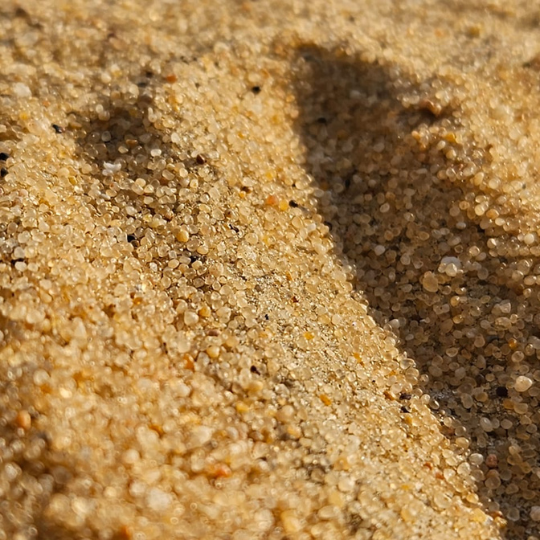
    1- رمال السيليكا البيضاء: يتميز هذا النوع بجودته العالية وفعاليته في تنظيف الأسطح من خلال السفع الرملي، إضافة إلى تكلفته المنخفضة وإمكانية إعادة استخدامه في بعض الحالات. تحتوي رمال السيليكا على الكوارتز الذي يعتبر مادة متينة تساعد على تحقيق نتائج ممتازة. ومع ذلك، فإن استخدامه يتطلب الحذر من الغبار الناتج الذي قد يسبب مشاكل صحية عند استنشاقه.
    2- الحبيبات الكاشطة: تُصنّف الرمال المستخدمة حسب خشونتها أو حجم الجزيئات، ممّا يؤثر على النتيجة النهائية. حيث تؤدي الحبيبات الدقيقة إلى تشطيب أكثر نعومة، بينما تُستخدم الحبيبات الخشنة لإزالة الطبقات الصلبة أو لتوفير سطح خشن يمكن أن تلتصق به المواد اللاحقة بسهولة.
    3- أحزمة ورق الصنفرة: تُستخدم مع آلات الصنفرة الحزامية، وهي أدوات كهربائية قوية تُستخدم في المهام الكبيرة مثل إزالة الطلاء القديم أو تحضير الأرضيات والجدران.
    4- بدائل الصنفرة بالرمل: قد تشمل المواد المستخدمة في الصنفرة أيضًا الخرز الزجاجي، أكسيد الألومنيوم، كربيد السيليكون، وحتى بذور الجوز المطحونة، حيث يتم اختيار المادة وفقًا لنوع السطح والغرض النهائي.

    إزالة الصدأ: تقنيات الصنفرة والتحضير

    يلعب السفع الرملي دورًا مهمًا في إزالة الصدأ من الأسطح المعدنية، وهي عملية تتطلب تحضيرًا دقيقًا. قبل بدء الصنفرة، يمكن استخدام مواد طبيعية مثل الخل الأبيض، أو خليط صودا الخبز والماء، أو الليمون والملح لتفكيك جزيئات الصدأ. بعد ذلك، يتم استخدام أدوات الصنفرة بحبيبات ناعمة تتراوح بين 320 و400 للحصول على سطح ناعم، أو حبيبات أكثر خشونة إذا كان الصدأ عنيدًا.
    في حالة وجود بقع صدأ كبيرة، يمكن استخدام فرشاة سلكية لإزالة الطبقات السطحية المتقشرة، أو استخدام ماكينات كهربائية مثل الصنفرة الحزامية أو المدارية للتعامل مع المساحات الواسعة التي لا تتطلب دقة كبيرة.

     السلامة أثناء الصنفرة بالرمل

    أحد أهم الجوانب التي يجب مراعاتها أثناء عملية الصنفرة هو السلامة. يُنصح بارتداء أقنعة للحماية من استنشاق الغبار والجزئيات الناتجة عن السفع الرملي، خاصة عند استخدام رمال السيليكا التي قد تسبّب مشاكل صحية خطيرة عند استنشاقها بكميات كبيرة. بالإضافة إلى ذلك، يجب استخدام نظارات واقية وقفازات لحماية العينين واليدين من التأثيرات الضارة للغبار والرمال الكاشطة.
    ختاماً، يعتبر السفع الرملي من العمليات الأساسية في مختلف المشاريع الصناعية والبنائية، فهو يُسهم بشكل كبير في تحسين مظهر وقوة الأسطح، إضافة إلى إعدادها لاستقبال المواد الجديدة بكفاءة. تساعد الأدوات المختلفة، من الآلات الكهربائية إلى المواد الكاشطة المتنوّعة، في تحقيق النتائج المطلوبة بسرعة ودقة، مع مراعاة جوانب السلامة التي يجب أن تكون في أولويات العاملين في هذا المجال.

    لطلب رمل السيليكا من شركة غربلة للصناعة تواصل عبر واتساب

    https://api.whatsapp.com/send?phone=966555390543


  • Understanding Golf Sand: Types, Uses, and Benefits

    Understanding Golf Sand: Types, Uses, and Benefits

    Golf is a sport that demands precision, strategy, and a keen understanding of the course. Among the many elements that influence a golfer’s performance, the type of sand used in bunkers plays a crucial role. This article delves into the various types of golf sand, their benefits, and the benefits they bring to the game.

    What is Golf Sand?

    Golf sand refers to the specially formulated sand used in bunkers on golf courses. Unlike regular beach or construction sand, golf sand is chosen for its unique benefits that affect playability, drainage, and aesthetics. The right type of sand enhances the golfing experience by providing a consistent surface for players to execute shots from the bunker.

    Types of Golf Sand

    1. Bunker Sand:
      • Bunker sand is specifically designed for use in golf course bunkers. It is typically coarser than other types of sand, which helps it maintain its shape and provides better traction for players. The size of the grains also impacts how the ball interacts with the sand, affecting the ease of playing out of the bunker.
    2. Washed Sand:
      • Washed sand has been cleaned to remove impurities and finer particles. This type of sand is ideal for bunkers because it allows for better drainage and prevents the formation of a crust that can make it difficult for players to escape.
    3. White Sand:
      • Many upscale golf courses use white sand for their bunkers to create a striking visual contrast against the green grass. White sand is often made from crushed limestone or marble and can enhance the overall aesthetics of the course. It is also typically softer, which can provide a more forgiving surface for shots.
    4. Coarse vs. Fine Sand:
      • Coarse sand has larger particles and is often preferred for its drainage capabilities and the firm surface it provides for shots. Fine sand, while softer, can become compacted and may not drain as effectively, leading to inconsistent playing conditions.

    Uses of Golf Sand

    • Bunker Construction:
      • Golf sand is primarily used in the construction of bunkers. The type of sand chosen can greatly influence how easily players can play out of the bunkers and how the sand interacts with the golf ball.
    • Course Maintenance:
      • Regular maintenance of bunkers involves replenishing sand levels, ensuring the sand is clean, and occasionally mixing in new sand to maintain optimal playing conditions.
    • Aesthetics:
      • The appearance of bunkers significantly contributes to the overall beauty of a golf course. Choosing the right type of sand enhances the visual appeal and creates a more inviting atmosphere for players.

    Benefits of Quality Golf Sand

    1. Improved Playability:
      • Quality golf sand allows for a consistent and predictable playing surface, making it easier for golfers to execute their shots. This can lead to improved performance and a more enjoyable experience on the course.
    2. Enhanced Drainage:
      • Properly selected sand promotes better drainage in bunkers, preventing water accumulation that can lead to muddy conditions. This is particularly important in regions with heavy rainfall, as it ensures that bunkers remain playable.
    3. Reduced Maintenance Costs:
      • Using high-quality sand can lead to lower maintenance costs over time. When bunkers are constructed with the right sand, they require less frequent replenishing and maintenance, allowing course managers to allocate resources more efficiently.
    4. Aesthetic Appeal:
      • Well-maintained bunkers with visually appealing sand contribute to the overall beauty of a golf course. This can enhance the experience for players and attract more visitors to the course.

    Conclusion

    Golf sand is a critical component of golf course design and maintenance, significantly influencing playability, aesthetics, and overall course quality. Understanding the different types of golf sand and their applications can help golfers appreciate the intricate details that go into creating an enjoyable golfing experience. As golf continues to evolve, the choice of sand in bunkers will remain a vital consideration for course designers and maintenance teams alike.

    To order golf sand, click here.

  • The Role of Activated Carbon in Water Treatment: Benefits and Limitations

    The Role of Activated Carbon in Water Treatment: Benefits and Limitations

    Water is a vital resource for life, yet access to clean and safe drinking water remains a challenge for many communities around the world. Among the various technologies used to purify water, activated carbon stands out as one of the most effective and widely used filtration media. This article explores the benefits and limitations of activated carbon in water treatment, providing insight into its crucial role in ensuring safe water for consumption.

    What is Activated Carbon?

    Activated carbon, we also call activated charcoal, is a form of carbon that we treat to create a vast network of tiny pores, resulting in an extensive surface area. This porous structure enables activated carbon to adsorb a wide range of contaminants, making it an essential component in water treatment systems. We can produce activated carbon from various carbon-rich materials, including wood, coconut shells, peat, and coal.

    Benefits of Activated Carbon in Water Treatment

    1. Effective Adsorption:
      • Activated carbon is highly effective at adsorbing organic compounds, chlorine, and other contaminants from water. Its extensive surface area allows it to trap and hold these substances, significantly improving water quality.
    2. Improving Taste and Odor:
      • One of the key advantages of activated carbon is its ability to remove unpleasant tastes and odors from drinking water. This makes it a popular choice in household water filters, providing consumers with more palatable water.
    3. Removal of Microorganisms:
      • While activated carbon is not primarily designed to filter out bacteria and viruses, it can help reduce their concentrations through adsorption. Some activated carbon filters are impregnated with antimicrobial agents to enhance their effectiveness against pathogens.
    4. Versatility:
      • Activated carbon can be used in various water treatment applications, from residential water filters to large-scale municipal treatment plants. Its adaptability makes it suitable for different water quality issues and treatment goals.
    5. Environmental Benefits:
      • Activated carbon is often made from renewable resources, such as coconut shells, making it an eco-friendly option for water treatment. Additionally, it can be reactivated and reused, further reducing waste.

    Limitations of Activated Carbon in Water Treatment

    1. Limited Effectiveness Against Certain Contaminants:
      • While activated carbon is effective at removing many organic compounds and chlorine, it has limitations. For instance, it is not effective at removing inorganic contaminants such as heavy metals (e.g., lead, arsenic) or certain salts.
    2. Saturation and Replacement:
      • Over time, activated carbon can become saturated with adsorbed contaminants, leading to a decrease in its effectiveness. Regular replacement or reactivation is necessary to maintain optimal performance, which can incur additional costs.
    3. Potential for Microbial Growth:
      • If not maintained properly, activated carbon filters can become breeding grounds for microorganisms. This risk is particularly relevant in systems that do not adequately remove bacteria and pathogens, potentially leading to recontamination of treated water.
    4. Variable Quality of Activated Carbon:
      • The effectiveness of activated carbon can vary significantly depending on its source and manufacturing process. Low-quality activated carbon may have a reduced surface area or be less effective at adsorbing contaminants, making it essential to choose reputable suppliers.
    5. Flow Rate Limitations:
      • Activated carbon filters can reduce the flow rate of water due to their adsorption properties. In high-demand situations, this could lead to slower water delivery, which may not be suitable for all applications.

    Conclusion

    Activated carbon plays a vital role in water treatment, offering numerous benefits in improving water quality, taste, and safety. Its effectiveness in adsorbing a wide range of contaminants makes it a popular choice for residential and industrial applications alike. However, it is crucial to recognize its limitations, including the need for regular maintenance, potential for microbial growth, and its ineffectiveness against certain contaminants.

    To maximize the benefits of activated carbon, we often use in conjunction with other filtration technologies, such as reverse osmosis or ion exchange, creating a comprehensive water treatment system capable of addressing a wider range of water quality issues. As water treatment technology continues to evolve, activated carbon will remain an essential tool in the quest for clean, safe drinking water.

    To order activated carbon, click here.

  • What is Water Treatment Filtration Media?

    What is Water Treatment Filtration Media?

    Access to clean and safe drinking water is essential for human health and the environment. As concerns about water quality grow, effective water treatment methods are more important than ever. One crucial component of any water filtration system is the filtration media, which plays a central role in removing contaminants from water. In this article, we will explore what water treatment filtration media is, how it works, and why it is vital in providing safe drinking water.

    What is Water Treatment Filtration Media?

    Water treatment filtration media refers to the materials used in filters to trap or remove impurities and contaminants from water. These materials can be natural or synthetic and are specifically designed to target different types of pollutants. The choice of filtration media can vary based on the quality of water being treated and the contaminants that need to be removed, making it a flexible solution across different industries and applications.

    How Does Filtration Media Work?

    Filtration media function by capturing or chemically altering the contaminants as water passes through them. Depending on the material and the type of contaminants present, the filtration media will use one or more processes:

    1. Physical filtration – trapping particles such as sediment, sand, or dirt.
    2. Adsorption – attracting and binding contaminants to the surface of the media (common with activated carbon).
    3. Ion exchange – swapping ions in the media for ions in the water (common in water softeners).
    4. Biological filtration – encouraging beneficial microorganisms to grow on the media, which then break down harmful organic contaminants.

    Each type of filtration media is designed to target specific impurities, and often multiple media types are used in conjunction for more thorough filtration.

    Types of Water Treatment Filtration Media

    There are several different types of water filtration media, each tailored to remove certain kinds of contaminants:

    1. Activated Carbon:
      • What it removes: Chlorine, organic compounds, odors, and bad tastes.
      • How it works: Activated carbon has a porous structure that adsorbs contaminants. It is especially effective for improving the taste and smell of water.
    2. Sand and Gravel:
      • What it removes: Larger particles like sediment, dirt, and rust.
      • How it works: Water passes through layers of sand and gravel that trap particles through physical filtration, allowing cleaner water to pass through.
    3. Ion Exchange Resin:
      • What it removes: Hard water minerals such as calcium and magnesium.
      • How it works: Through ion exchange, this resin replaces calcium and magnesium ions with sodium or potassium ions, thus softening the water.
    4. Ceramic Filters:
      • What it removes: Bacteria, protozoa, and fine particles.
      • How it works: Tiny pores in ceramic media trap harmful microorganisms, making it an excellent option for microbial filtration.
    5. KDF (Kinetic Degradation Fluxion):
      • What it removes: Heavy metals like lead, mercury, and chlorine.
      • How it works: KDF media uses a chemical process to reduce contaminants, particularly heavy metals, through oxidation-reduction reactions.
    6. Zeolite:
      • What it removes: Ammonium ions, heavy metals, and other contaminants.
      • How it works: Zeolite, a natural mineral, has a high affinity for capturing ions and molecules, making it useful for water softening and removing nitrogen compounds.
    7. Reverse Osmosis Membranes:
      • What it removes: Salts, bacteria, viruses, and dissolved solids.
      • How it works: Reverse osmosis uses a semi-permeable membrane to filter out contaminants down to the molecular level. It’s one of the most effective forms of filtration for producing high-purity water.

    Why is Filtration Media Important?

    Water filtration media are essential for several reasons:

    1. Public Health: Filtration media remove harmful contaminants, such as bacteria, heavy metals, and chemicals, ensuring that the water is safe for consumption.
    2. Environmental Protection: By removing pollutants from industrial wastewater or stormwater runoff, filtration media help protect aquatic ecosystems from contamination.
    3. Improved Taste and Odor: Filtration media, like activated carbon, are excellent at removing chlorine and organic compounds that affect the taste and smell of water, leading to a more enjoyable drinking experience.
    4. Customizable Solutions: Different types of filtration media can be combined to target specific contaminants based on local water quality issues, making them highly adaptable for various water treatment needs.

    Conclusion

    Water treatment filtration media are vital components in ensuring the safety, cleanliness, and palatability of drinking water. From activated carbon to ion exchange resin, each type of media has its unique function in removing contaminants and improving water quality. Whether used in homes, industries, or large-scale municipal water systems, filtration media remain an indispensable part of modern water treatment processes. By understanding the different types of media and their roles, individuals and industries can make informed decisions on the best filtration methods to protect health and the environment.

    To request a quote, please click here.

  • The Growing Importance of Frac Sand in the Oil and Gas Industry

    The Growing Importance of Frac Sand in the Oil and Gas Industry

    The oil and gas industry is relevant to the availability and proper use of key raw materials. One of the most crucial materials in modern hydraulic fracturing, or fracking, is frac sand. This seemingly simple substance plays a pivotal role in the extraction of oil and natural gas from shale formations. Understanding what frac sand is, how we use it, and the challenges surrounding its production is essential for appreciating its role in the global energy market.

    What is Frac Sand?

    Frac sand is a high-purity quartz sand with very durable and round grains. It is a key ingredient in hydraulic fracturing, a process used by the oil and gas industry to extract oil and natural gas from underground shale formations. Frac sand is typically from sandstone formations, where the sand has been naturally weathered over time into a round shape that can withstand the intense pressure used in fracking.

    To be suitable for hydraulic fracturing, frac sand must meet strict quality requirements. The sand needs to have high silica content, typically over 99%, and must be resistant to crushing under high pressure. The grain’s size also must be uniform and well-rounded to allow fluids to flow freely between them during the fracking process.

    The Role of Frac Sand in Hydraulic Fracturing

    The hydraulic fracturing process involves injecting a high-pressure mixture of water, chemicals, and frac sand into a wellbore drilled into the shale rock. As the pressurized mixture creates cracks in the shale, the frac sand fills these fissures, holding them open once the pressure is released. This allows oil and gas to flow out of the rock and into the wellbore, where we can pump it to the surface.

    Without frac sand, the cracks would close as soon as the pressure is reduced, making the extraction of oil and gas inefficient or even impossible. The sand essentially acts as a “proppant,” keeping the fractures open and facilitating the continued flow of hydrocarbons.

    Where Can We Find Frac Sand?

    The United States is the world’s leading producer of frac sand, particularly in areas like Wisconsin, Minnesota, and Texas. These regions have extensive sandstone formations that have been we have mined for frac sand. Wisconsin, often referred to as the “Saudi Arabia of sand,” boasts the largest reserves of high-quality frac sand, making it a critical player in the global fracking industry.

    Other countries like Canada, Argentina, and Australia have also begun tapping into their own sand resources as fracking activity spreads worldwide.

    Environmental and Economic Considerations

    Frac sand mining has been a contentious issue due to its environmental impacts. The mining process can cause erosion, disrupt local ecosystems, and contaminate nearby water sources with fine particulate matter. There are also concerns about the large amount of water for both mining and fracking operations, which can strain local water supplies, especially in arid regions.

    On the other hand, frac sand is crucial for the energy industry and contributes significantly to local economies. Mining operations provide jobs and stimulate economic growth in rural areas where other industries may be lacking. The demand for frac sand has grown exponentially as the shale oil and gas boom has taken off in places like Texas’ Permian Basin and North Dakota’s Bakken Formation.

    Innovations and Alternatives

    The increasing demand for frac sand has led to ongoing research into more efficient extraction and transportation methods. One innovation is the development of resin-coated sand, which is more durable and reduces the need for such high volumes of raw frac sand. Additionally, there has been exploration into alternative proppants, such as ceramics, which may offer better performance in certain fracking environments.

    However, frac sand remains the most cost-effective and readily available proppant in most cases, making it the preferred choice for many drilling companies.

    Conclusion

    Frac sand may seem like a small and simple component of the oil and gas industry, but its role is essential in enabling the modern fracking techniques that have revolutionized energy production. While environmental concerns and technological advancements may alter the industry’s reliance on traditional frac sand, we cannot overstate its importance in current energy markets. As fracking continues to be a major player in global energy production, the demand for high-quality frac sand will likely remain strong for years to come.

    To order frac sand, click to request a quote.

  • مرشحات التناضح العكسي: أقسامها وكيفية عملها

    مرشحات التناضح العكسي: أقسامها وكيفية عملها

    أقسام مرشحات التناضح العكسي

    لا حياة على وجه هذه الأرض بدون الماء. وإنّ الطبيعة تقوم بدورها في إعادة تدوير كمية المياه الموجودة على الكوكب لتلبية الاحتياجات البشرية الهائلة من الماء، مع ذلك، يبقى الماء العذب الذي يحتاجه البشر للبقاء يشكّل جزءاً ضئيلاً مقارنة مع المياه المالحة والمياه الملوثة. لذلك درج الناس منذ عدد من السنوات على استعمال مرشّح مياه التناضح العكسي لضمان أنظف مياه ممكنة.
    يمرّ الماء الملوّث في رحلته داخل مرشحات التناضح العكسي بعدّة أقسام ترشيح أهمّها غشاء التناضح العكسي. وهذه الأقسام هي:

    مرشح الرواسب

     يُعتبر هذا المرشح الخط الأول في عملية تنقية المياه. يعمل على إزالة الجسيمات الكبيرة مثل الرمال، الطمي، والصدأ. يتراوح حجم الفتحات في هذا المرشح بين 1 إلى 5 ميكرونات، وهو يحمي بقية الأقسام من التضرر بفعل الرواسب الكبيرة.

    مرشح الكربون النشط

    بعد إزالة الرواسب الكبيرة، يأتي دور مرشح الكربون النشط الذي يعمل على امتصاص وإزالة المواد العضوية، الكلور، والروائح الكريهة. هذا المرشح يلعب دورًا حاسمًا في تحسين طعم ورائحة المياه، حيث يزيل المواد الكيميائية التي يمكن أن تؤثر على جودتها.

    الغشاء شبه النفاذ (مرشح التناضح العكسي)

    هذا هو العنصر الأساسي في نظام التناضح العكسي. يتكوّن الغشاء من طبقات متعددة تحتوي على ثقوب صغيرة جدًا، تُقدر بحوالي 0.0001 ميكرون. يقوم الغشاء بفصل الماء النقي عن الشوائب والملوثات الصغيرة مثل البكتيريا، الفيروسات، المعادن الثقيلة، والمواد الصلبة الذائبة. يتم دفع الماء تحت ضغط عالٍ من خلال الغشاء، مما يسمح بمرور الماء النقي فقط ويمنع مرور الشوائب.

    مرشح الكربون اللاحق

    يستخدم هذا المرشح لتنقية المياه مرة أخرى بعد مرورها عبر الغشاء شبه النفاذ. يعمل على تحسين طعم الماء النهائي من خلال إزالة أي آثار للروائح أو الطعم غير المرغوب فيه. وهو يعتبر خطوة نهائية لضمان جودة المياه العالية.

    كيفية عمل مرشحات التناضح العكسي

    يعتمد عمل مرشحات التناضح العكسي على مبدأ دفع المياه عبر غشاء شبه نفاذ باستخدام ضغط عالٍ. في البداية، تمر المياه عبر مرشح الرواسب الذي يزيل الجسيمات الكبيرة، ثم تنتقل إلى مرشح الكربون النشط الذي يمتص المواد العضوية والشوائب الكيميائية. بعد ذلك، يتم ضخ المياه نحو الغشاء شبه النفاذ حيث تتم عملية الفصل بين المياه النقية والشوائب. أخيرًا، يتم تحسين جودة المياه عبر مرشح الكربون اللاحق، ما يضمن الحصول على مياه نقية وخالية من الملوثات.

    فوائد استخدام مرشحات التناضح العكسي

    تنقية فعالة للمياه: يمكن لمرشحات التناضح العكسي إزالة أكثر من 99% من الشوائب والملوثات.

    تحسين طعم ورائحة المياه: بفضل مرشحات الكربون النشط واللاحق.

    تقليل الاعتماد على المياه المعبأة: حيث توفر هذه التقنية مياه شرب نظيفة وآمنة في المنزل.

    ختاماُ تُعدّ تقنية التناضح العكسي من أفضل الحلول للحصول على مياه نقية وصحية، سواء للاستخدام المنزلي أو الصناعي، مما يجعلها خيارًا شائعًا في العديد من الدول والمجتمعات التي تعاني من مشاكل جودة المياه.

  • Understanding Sandblasting: A Comprehensive Guide

    Understanding Sandblasting: A Comprehensive Guide

    Introduction

    Sandblasting is a popular method used for cleaning, shaping, and preparing surfaces. Whether you’re working with metal, concrete, wood, or other materials, sandblasting is often employed to remove rust, paint, dirt, and debris, leaving surfaces clean and ready for further treatment or finishing. In this article, we’ll explore what sandblasting is, its types, applications, safety precautions, and its advantages.

    What is Sandblasting?

    Sandblasting, also known as abrasive blasting, involves propelling fine granular particles (often sand) at high speeds onto a surface using air or water pressure. The abrasive particles strip away unwanted materials like rust, paint, or oxidation, leaving the surface clean or roughened to prepare it for a coating or adhesive.

    Types of Sandblasting

    There are various types of methods, and the choice of technique depends on the nature of the surface, the material to be removed, and the intended application:

    1. Dry Sandblasting: The traditional form, using compressed air to shoot abrasive materials onto the surface.
    2. Wet Sandblasting: In this technique, water is mixed with the abrasive material. It reduces dust formation and is ideal for delicate surfaces.
    3. Bead Blasting: This uses glass beads instead of sand. It’s typically used for finishing surfaces and giving a smooth or polished finish.
    4. Soda Blasting: Involves the use of baking soda (sodium bicarbonate) as the abrasive medium. It’s less aggressive and perfect for cleaning delicate surfaces, such as vehicle bodies.
    5. Shot Blasting: A process where metallic abrasives (like steel shots) are used. It is ideal for heavy-duty applications such as cleaning industrial components or large metal structures.

    Common Applications

    Sandblasting is highly versatile and can be used across various industries. Some of the most common applications include:

    • Rust and Paint Removal: It is highly effective for removing old paint, corrosion, or rust from metal surfaces, preparing them for repainting or other treatments.
    • Surface Preparation: Before applying a coating, adhesive, or paint, a surface must often be roughened. It achieves this by creating tiny abrasions, increasing surface area for better adhesion.
    • Graffiti Removal: It is also a popular method for removing graffiti from brick walls, sidewalks, and other surfaces.
    • Restoration: For restoring and cleaning old buildings, sculptures, and monuments, it is frequently used to eliminate decades of dirt and pollutants.
    • Industrial Cleaning: It is also employed in cleaning and maintaining heavy industrial equipment, including engines, tanks, and large mechanical components.

    Advantages of Sandblasting

    • Efficiency: Sandblasting can clean or prep surfaces quickly, saving time and labor compared to other methods.
    • Versatility: It can be used on a wide variety of materials, including metals, plastics, wood, glass, and concrete.
    • Precision: With different types of media and adjustable pressure levels, it offers control and precision, making it adaptable for both delicate and tough surfaces.
    • Cost-Effective: It is typically less expensive in comparison to other surface preparation and cleaning methods, especially for large-scale projects.

    Safety Precautions

    Although effective, sandblasting poses certain risks, making safety precautions critical. Here are some important considerations:

    • Protective Gear: Operators should wear proper safety equipment, including heavy-duty gloves, eye protection, face masks, and full-body suits. Inhaling sandblasting dust can lead to respiratory issues, including silicosis, a serious lung disease caused by inhaling silica dust.
    • Ventilation: Workspaces must be well-ventilated, especially when dry sandblasting, to prevent the build-up of harmful dust particles.
    • Proper Training: Only trained professionals should operate sandblasting equipment due to the high pressures involved and potential for accidents.
    • Containment: Ensure proper containment and dust collection systems are in place to prevent the abrasive material and contaminants from dispersing into the surrounding environment.

    Alternatives to Sandblasting

    Although sandblasting is widely used, other alternatives may be more suitable in certain situations:

    • Laser Cleaning: A high-tech option that uses focused laser beams to clean surfaces without contact.
    • Chemical Stripping: This involves using chemical solvents to remove paints, coatings, or rust from surfaces, which is often gentler than sandblasting.
    • Water Jetting: Uses highly pressurized water to clean surfaces and can be a non-abrasive alternative to sandblasting.

    Conclusion

    Sandblasting is an invaluable technique across many industries, providing an efficient and versatile solution for cleaning, surface preparation, and restoration. Whether you’re removing rust from a car body or cleaning a historical monument, sandblasting can achieve remarkable results in less time. However, safety precautions are crucial to ensure the protection of operators and the surrounding environment. As technology advances, alternatives like laser cleaning and water jetting are emerging, providing additional tools in the arsenal for surface treatment.

    To request a quotation for sand blasting.

  • Water Treatment Filtration Media: A Closer Look

    Water Treatment Filtration Media: A Closer Look

    Water filtration is essential for ensuring clean, safe, and palatable water. Various filtration media play a crucial role in removing impurities, contaminants, and undesirable substances from our water supply. Let’s explore some of the commonly used filter media:

    Silica Sand and Anthracite

    Silica sand is one of the most widely used filtration media. It’s effective for removing suspended solids, sediment, and larger particles.

    Anthracite coal is another popular choice. It’s particularly useful in filters following a hot process softener, where the treated water is intended for boiler feed.

    Garnet

    Garnet is a dense, hard mineral that works well for fine filtration. It’s often used to remove smaller particles and turbidity.

    Activated Carbon

    Activated carbon (or granular activated carbon, GAC) is excellent for removing organic compounds, chlorine, and other taste and odor-causing substances.

    It’s commonly used in point-of-use filters and whole-house systems.

    Birm

    Birm is another media used for iron removal. It works through catalytic action, converting dissolved iron into solid particles that can be filtered.

    Remember that the choice of filtration media depends on the specific water quality issues you’re dealing with. Whether it’s iron, organic matter, or pH correction, there’s a filtration media tailored to the task.

    Ask for a quote now.

  • استخدامات كسر الرخام: إعادة تصميم وتجديد الأرضيات

    استخدامات كسر الرخام: إعادة تصميم وتجديد الأرضيات

    تصميم أنماط فنية وزخارف:

    يُمكن استخدام كسر الرخام لإنشاء أنماط فنية مميزة مثل الأشكال الهندسية أو التصاميم العشوائية الطبيعية. يمكن دمج ألوان مختلفة من كسر الرخام لتحقيق تأثير بصري لافت يُضفي جمالاً وأناقة على الأرضيات. ومن الأفكار الرائعة في هذا المجال استخدام قطع مختلفة الأحجام والظلال لإنشاء لوحة فنية على الأرض تعطي انطباعًا بالحركة والانسيابية.

    دمج المواد المختلفة:

    يمكن مزج كسر الرخام مع مواد أخرى مثل الخشب أو السيراميك أو البلاط لخلق تصميم عصري وفريد. هذا المزج يمكن أن يُضفي طابعًا حديثًا ويجمع بين الجمال والمتانة في آن واحد. على سبيل المثال، يمكن استخدام الخشب لتأطير قطع كسر الرخام أو تقسيم المساحات المختلفة داخل نفس الغرفة، مما يوفر تباينًا بصريًا مثيرًا.

    الأرضيات ثلاثية الأبعاد:

    من بين استخدامات كسر الرخام بطرق إبداعية خلق تأثيرات ثلاثية الأبعاد عن طريق وضع القطع بأحجام مختلفة وبتدرجات لونية تمنح إحساسًا بالعمق والارتفاع. هذا الإبداع يجعل المساحة تبدو أكثر ديناميكية وحداثة.

    تحسين متانة الأرضيات:

    إنّ إضافة كسر الرخام إلى الأرضيات يعزز متانتها ويجعلها أكثر مقاومة للتآكل والخدوش مقارنة بالمواد الأخرى. كما أنّ إعادة تشكيل سطح الرخام يُضفي لمسة فاخرة تدوم طويلاً وتتحمل الاستخدام اليومي المكثف. يُعتبر كسر الرخام مقاومًا للحرارة والرطوبة، مما يجعله خيارًا ممتازًا للمطابخ والحمامات والمساحات الخارجية.

    تصاميم للأماكن الخارجية:

    إنّ من أهمّ استخدامات كسر الرخام تجديد أرضيات الفناء أو الممرات الخارجية، حيث يساعد في إضفاء طابع طبيعي ومقاوم لعوامل الطقس مثل الأمطار والشمس. كما يمكن استخدامه لإنشاء ممرات حجرية غير منتظمة تعزز من الطابع الريفي أو الحديث للمساحات الخارجية.

    الأرضيات المستدامة:

    تُعتبر إعادة استخدام بقايا الرخام في تصميم الأرضيات خيارًا صديقًا للبيئة، حيث إنّها تقلل من الهدر وتمنح المواد حياة جديدة. يمكن أن يجذب هذا الجانب المستدام من التصميم العملاء الذين يفضلون التصاميم البيئية والعملية في الوقت نفسه.

    سهولة الصيانة والتلميع:

    من المزايا التي تتمتع بها استخدامات كسر الرخام سهولة صيانة الأرضيات. بمجرد تثبيتها، يمكن تلميع الأرضيات بانتظام للحفاظ على بريقها. كما أن تنظيفها سهل باستخدام منتجات التنظيف اليومية دون الحاجة إلى صيانة معقدة.

    الألوان والخيارات الواسعة:

    تتوفر قطع كسر الرخام بمجموعة واسعة من الألوان والأحجام، مما يتيح مرونة في التصميم ويسمح بإنشاء أرضيات تناسب مختلف الأذواق والأنماط. تلبّي استخدامات كسر الرخام التصاميم الكلاسيكية أو العصرية، بحيث توفّر خيارات تناسب جميع الاحتياجات.

    ختاماً، تعدّ إعادة تصميم الأرضيات باستخدام كسر الرخام استثمارًا ذكيًا يجمع بين الفخامة والمتانة، مع إمكانية الإبداع في ابتكار تصاميم فريدة تُضفي لمسة جمالية تدوم لسنوات طويلة. سواء كنت تبحث عن تجديد منزلك أو إضافة لمسات مميزة إلى مشروع تجاري، فإنّ كسر الرخام يتيح لك تحقيق توازن مثالي بين الجمال العملي والتميز الفني، ممّا يجعل أي مساحة تبدو أكثر حداثة وجاذبية.

    لطلب كسر الرخام من شركة غربلة للصناعة تواصل عبر واتساب

    https://api.whatsapp.com/send?phone=966555390543


  • An Overview of Gravel: Composition, Uses, and Types

    An Overview of Gravel: Composition, Uses, and Types

    Introduction

    Gravel is a versatile and widely used material in construction, landscaping, and various industrial applications. It consists of small, loose fragments of rock, typically ranging in size from a grain of sand to a few inches in diameter. Gravel’s composition, types, and uses are diverse, making it an essential material for a variety of projects.

    Composition and Formation

    Gravel’s primary composition of rock fragments that have been weathered and eroded over time. The most common types of rock found in gravel are limestone, granite, quartzite, and sandstone. These rocks are broken down by natural forces such as wind, water, and ice, which then transport the fragments to different locations, where they accumulate as gravel.

    There are two main categories of gravel based on how it is formed:

    1. Natural Gravel: This type of gravel is formed naturally by the processes of weathering and erosion. Over time, larger rocks are broken down into smaller pieces and transported by rivers, streams, and glaciers. Natural gravel is often found in riverbeds, beaches, and other areas where water flow is prevalent.
    2. Crushed Stone Gravel: Unlike natural gravel, crushed stone gravel is man-made. Large rocks are mechanically crushed into smaller pieces to produce this type of gravel. It is often used in construction projects due to its uniform size and shape.

    Types of Gravel

    Gravel is categorized based on size, shape, and the type of rock from its composition. Here are some common types:

    1. Pea Gravel: Pea gravel is small, rounded stones that are about the size of peas. It is often used in landscaping for pathways, driveways, and decorative purposes. Its smooth texture and variety of colors make it aesthetically pleasing.
    2. Crushed Stone: This type of gravel is made by crushing larger stones into smaller, angular pieces. It is commonly used as a base material for roads, driveways, and construction projects. Crushed stone provides excellent drainage and is often used in concrete mixes.
    3. River Rock: River rock consists of smooth, rounded stones that have been naturally shaped by water over time. These rocks are typically larger than pea gravel and are often used for landscaping, water features, and decorative accents.
    4. Bank Gravel: Also known as “bank run” or “pit run,” this type of gravel is mixed with sand and clay. It is commonly used as a base material for roads and driveways due to its stability and compacting properties.
    5. Granite Gravel: Granite gravel is made from crushed granite and is known for its durability and strength. It is often used in high-traffic areas such as driveways and walkways, as well as in construction projects that require a strong foundation.

    Uses of Gravel

    Gravel has a wide range of uses in various industries, including:

    1. Construction: Gravel is a crucial component in the construction industry. It is used as a base material for roads, highways, and bridges. Gravel provides stability and drainage, which are essential for the longevity of these structures. It is also a key ingredient in concrete and asphalt.
    2. Landscaping: Gravel is popular in landscaping due to its aesthetic appeal and functionality. It is used for creating pathways, driveways, and garden beds. Gravel also helps with drainage in gardens and prevents soil erosion.
    3. Agriculture: Gravel is sometimes used in agriculture for improving soil drainage in fields and gardens. It can also be used in animal enclosures to provide a stable surface.
    4. Water Filtration: Gravel is used in water filtration systems to filter out impurities. Its porous nature allows water to flow through while trapping particles, making it an effective filtration medium.
    5. Railroad Ballast: Gravel is used as a base layer for railroad tracks. Known as railroad ballast, this gravel helps to stabilize the tracks, distribute the load, and improve drainage.

    Environmental Considerations

    The extraction and use of gravel have environmental impacts. Gravel mining can lead to habitat destruction, changes in water flow, and increased sedimentation in rivers and streams. To mitigate these effects, it is essential to practice sustainable gravel extraction methods and consider alternatives such as recycled materials.

    Conclusion

    Gravel is an indispensable material in many industries due to its versatility, durability, and availability. Whether used in construction, landscaping, or water filtration, gravel plays a critical role in numerous applications. Understanding the types of gravel and their uses can help in selecting the right material for specific projects, ensuring functionality and sustainability.

WhatsApp chat